


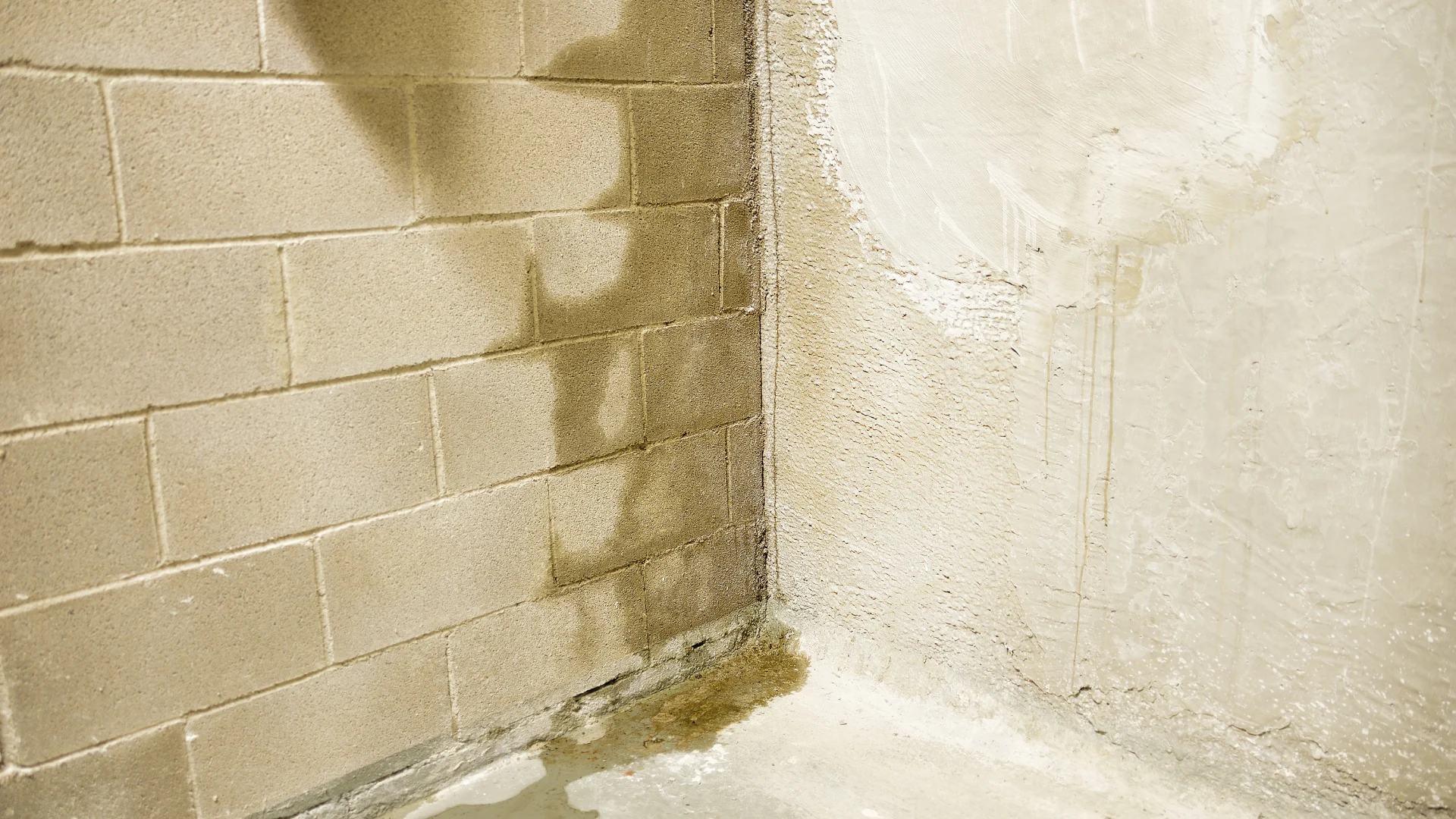
Water coming up through basement floor cracks, joints, or damp spots usually means water is present beneath or around the slab and is finding the easiest path inside. The source may be groundwater pressure, a drainage problem, a floor-wall joint, a plumbing leak, or a sewer issue, so the repair should start with identifying where the water is actually coming from.
If the problem appears after heavy rain or snowmelt, groundwater and foundation drainage move higher on the list. If water appears around a floor drain, has an odour, or shows up regardless of weather, a plumbing or sewer problem may need to be ruled out first.
Why Water Comes Up Through a Basement Floor
Water can move through a basement floor when the soil beneath and around the foundation becomes saturated. As groundwater builds up, it creates hydrostatic pressure against the slab and foundation. That pressure can push moisture through cracks, construction joints, porous concrete, or the cove joint where the basement floor meets the wall.
The City of Toronto notes that basement flooding is more likely during heavy rainfall and when snow and ice are melting. That does not mean every wet spot is caused by hydrostatic pressure. Water can travel behind finished materials before becoming visible, and plumbing or sewer problems can also create water at floor level.
The first job is diagnosis, not sealing.
Where the Water Appears Can Help Narrow Down the Cause
The exact location and timing of the water provide useful clues.
| What You See | What It May Suggest |
| Water through a crack in the middle of the slab | Groundwater beneath the slab or another sub-slab moisture source |
| Water where the wall meets the floor | Groundwater at the cove joint, footing drainage problems, or water moving down the foundation |
| Water only after prolonged or heavy rain | Saturated soil, rising groundwater, drainage problems, or foundation leakage |
| Water near a floor drain with odour or gurgling | A drain or sewer problem that should be investigated separately |
| A wet area that persists during dry weather | Plumbing leakage, a high water table, or another continuous source |
| Water running down a wall first | A wall crack, window well, penetration, or exterior drainage problem |
Finished basements can make the source harder to trace. Water may travel behind drywall, under vinyl flooring, or along the edge of the slab. City Wide Group’s explanation of how basements leak shows how heavy rain, foundation cracks, grading, and drainage problems can work together.
What Hydrostatic Pressure Actually Means
Hydrostatic pressure is the pressure created by water at rest. Around a basement, it matters when groundwater accumulates beside the foundation or under the slab instead of draining away.
A concrete basement floor is strong, but it is not a perfect waterproof barrier. Water usually finds existing paths such as small floor cracks, joints, penetrations, or the perimeter where the slab meets the foundation wall.
A new puddle therefore does not necessarily mean the concrete suddenly failed. Prolonged rain can saturate soil. A weeping tile can become less effective. A sump system may not keep up. Downspouts may discharge too close to the foundation, or settled grading may direct surface water toward the house.
Why Sealing the Wet Spot May Not Solve the Problem
A surface patch can stop water at one opening without reducing the pressure that brought the water there. If groundwater remains below the floor, it may find another crack, joint, or weak point.
Coatings and sealants can be useful for specific repairs, but they should not automatically be treated as the solution for water coming from beneath the slab. Waterproof vinyl, tile, or a surface coating can also hide moisture without managing the source.
If the basement repeatedly gets wet after rain, a professional basement leak repair assessment should focus on the source, drainage route, and foundation condition before a repair method is chosen.
How Weeping Tile and Sump Pumps Fit Into the Solution
A weeping tile system collects water near the footing and directs it away from the foundation. If gravity drainage is not available or sufficient, a sump pump can collect water in a sump pit and discharge it to an approved location.
City Wide Group’s interior waterproofing process includes opening the floor near the foundation wall, installing perforated weeping tile, connecting it to a drain or sump pump, and using a drainage membrane to direct water toward the system.
A sump pump alone does not automatically fix every floor leak. Water needs an effective route to the sump pit. If there is no drainage path from the wet area to the pit, seepage can continue elsewhere.
Interior or Exterior Waterproofing: Which One Makes Sense?
Interior waterproofing manages water from inside the basement. It can be useful where exterior excavation is restricted by property lines, driveways, landscaping, or neighbouring structures. Interior drainage gives water a controlled route instead of letting it spread across the floor.
Exterior waterproofing addresses the foundation from outside. The wall is exposed so cracks and vulnerable areas can be repaired, waterproofing membranes installed, and footing drainage addressed. City Wide Group’s exterior waterproofing service is designed to manage water before it reaches the basement interior.
Neither method should be selected only because water is visible on the floor. The leak location, foundation condition, access, drainage system, and water source all affect the recommendation.
What to Check Before the Next Heavy Rain
Photograph the exact location of the water before cleaning it up. Note whether it appeared during the rain, several hours later, or the next day.
Check whether the wet area begins at a wall, floor crack, drain, or the centre of the room. Look for white mineral deposits, previous patching, peeling finishes, damp baseboards, or staining that may show an older water path.
Outside, confirm that eavestroughs are clear and downspouts move roof water away from the foundation. Look for low areas where soil has settled toward the house. If you have a sump pump, check whether the pit is receiving water and whether the pump is operating normally. Do not reach into live electrical equipment in a wet area.
If standing water is close to outlets, appliances, or the electrical panel, avoid the area and contact the appropriate professional before entering.
When to Call a Waterproofing Professional
Call for an assessment when water returns after rain, the wet area is expanding, finished materials are being affected, or the source cannot be identified confidently.
A useful inspection should determine whether the water is coming from the wall, floor, floor-wall joint, plumbing, or a drain. It should also consider the existing weeping tile and sump system, visible foundation cracks, exterior drainage, and whether interior drainage or exterior waterproofing fits the actual water path.
The goal is to match the repair to the cause. If water is coming up through your basement floor and the source is unclear, City Wide Group can assess whether the issue involves groundwater, drainage, a foundation leak, or another condition that needs a different trade. City Wide Group provides waterproofing and foundation services throughout Toronto and the GTA.
Frequently Asked Questions
Can water really come up through a concrete basement floor?
Yes. Groundwater can move through cracks, joints, penetrations, and porous areas in or around a concrete slab when water pressure builds beneath the basement. The visible puddle may be small even when the soil below the floor is holding much more water.
Why is my basement floor wet after heavy rain if the walls look dry?
Water can reach the underside of the slab without leaving an obvious wet trail on the wall. A high water table, ineffective footing drainage, floor cracks, or the cove joint may allow moisture to appear at floor level while the exposed wall looks dry.
Does water coming through the floor mean my weeping tile has failed?
Not necessarily. A blocked, damaged, or poorly connected drainage system can contribute to groundwater buildup, but floor seepage can have other causes. The drainage system should be assessed along with grading, downspouts, the sump setup, plumbing, and the leak location.
Will a sump pump stop water from coming up through the basement floor?
A sump pump can help when water is collected and directed to the sump pit through an effective drainage system. Installing or replacing a pump without confirming how water reaches the pit may leave wet areas elsewhere.
Should basement floor seepage be repaired from inside or outside?
The best approach depends on the water source, foundation access, and drainage condition. Interior drainage manages water from inside, while exterior waterproofing addresses the foundation and drainage from outside, so an inspection should determine which approach fits the property.