


Most homeowners do not think much about weeping tiles until water shows up inside. That is understandable. The system is buried, out of sight, and easy to forget when everything seems dry. But spring is when a struggling weeping tile system tends to announce itself.
Snowmelt, spring rain, and saturated ground put the drainage system around the foundation under pressure. If the weeping tiles are blocked, broken, overwhelmed, or simply too old to perform the way they should, that pressure has to go somewhere. Often, it starts showing up as damp corners, musty smells, stained walls, or repeated seepage at the edge of the basement floor.
The City of Toronto’s flood prevention guidance says weeping tiles are perforated underground pipes near the foundation that collect groundwater and rainwater to protect basements. It also advises homeowners to repair or replace damaged systems and to watch for damp or wet basement corners as a sign the weeping tiles may not be working properly.
What Weeping Tiles Actually Do
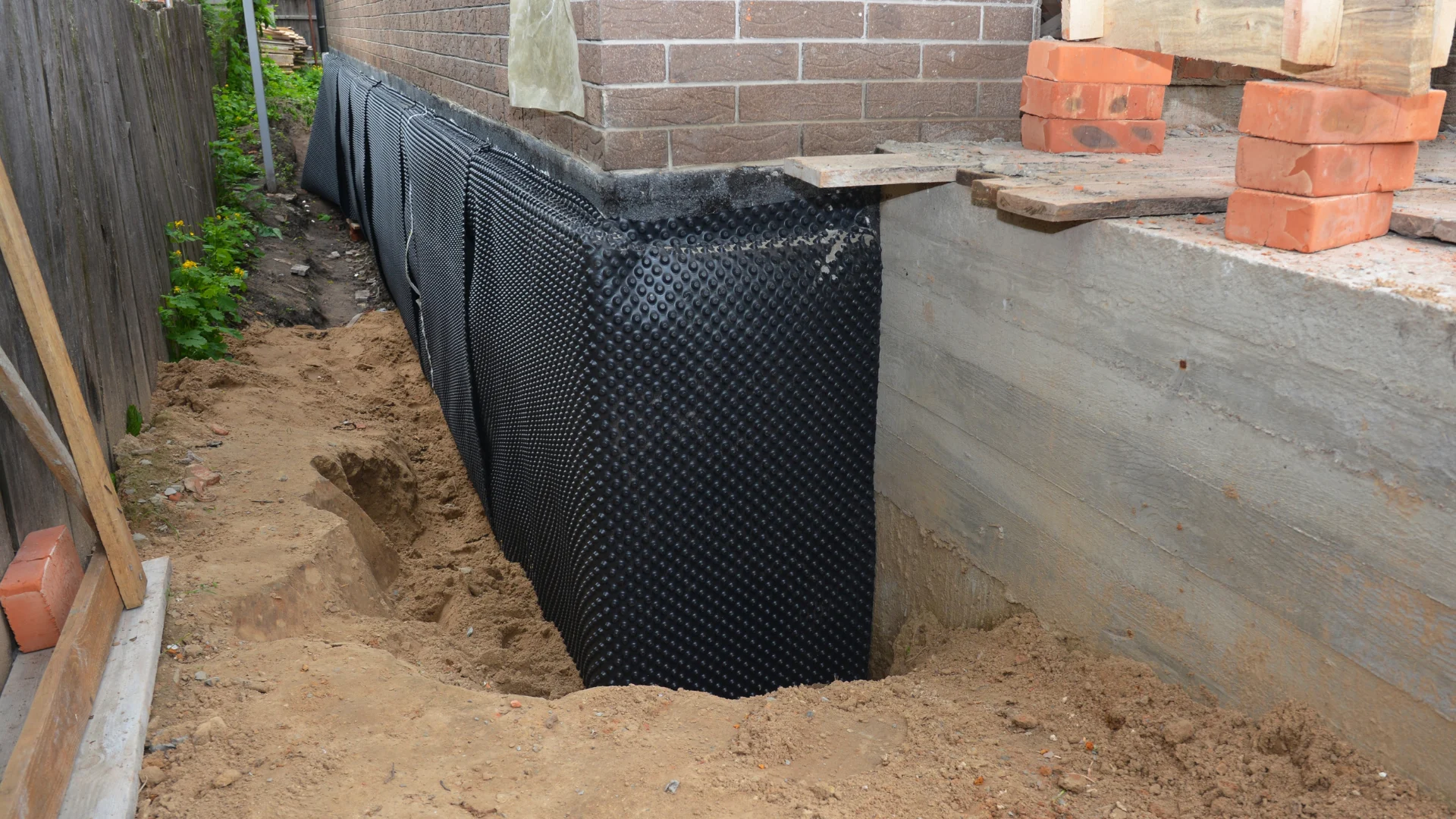
A weeping tile system is designed to intercept groundwater around the base of the foundation and carry it away before that water can push against the basement walls and floor. In many homes, that water is directed to a sump pit where a sump pump moves it away from the house.
When the system is working, you rarely think about it. When it is failing, the symptoms often look like a foundation problem first, even when the drainage system is the bigger issue. The City of Toronto also lists failure of the weeping tile system and failure of a sump pump among common causes of basement flooding.
City Wide Group’s own service content reinforces the same idea. Their basement waterproofing pages explain that a modern weeping tile system is essential for directing groundwater away from the foundation and reducing long-term water pressure around the home. That outside drainage role is what makes spring such an important testing season.
The Spring Signs Homeowners Should Not Brush Off
The first sign is often a damp or darkened corner that appears after thaw or rain. The second is a smell. If one area of the basement always seems mustier in spring, that recurring moisture may be telling you the drainage system is not keeping up.
Efflorescence on the wall is another common clue. So is a recurring wet line where the wall meets the floor. Sometimes the basement never fully floods, but you notice a low-level pattern of seepage that comes back every time the weather turns wet.
This is where City Wide Group’s 10 warning signs your basement needs waterproofing is worth weaving in. Their discussion of musty odours, staining, and white mineral deposits is especially relevant because those signs often appear before homeowners realize the buried drainage system is part of the issue.
Why Spring is the Season When Failure Shows Up
Spring adds volume. The soil is wet. Snowmelt is moving. Rain begins to stack on top of already saturated ground. Even if the system has been underperforming for a while, spring conditions are what make the symptoms visible indoors.
That is one reason City Wide’s winter basement waterproofing tips for Ontario homes remains relevant into the next season. In that post, they make a sharp point that winter and thaw conditions often reveal drainage problems before homeowners think of them as foundation problems. That is exactly how a failing weeping tile system behaves.
Spring does not create the weakness. It exposes it.
The Difference Between a Wall Crack And a Drainage Issue
Water entering the basement through a crack does not automatically mean the crack is the root problem. Sometimes the crack is only the route. The real issue is that too much water is being allowed to build up around the foundation in the first place.
That distinction matters because a homeowner can seal one visible crack and still keep getting moisture if the exterior drainage system remains underperforming. This is also why City Wide’s exterior versus interior waterproofing guide fits naturally into the conversation. Their explanation that exterior solutions deal with water before it enters is key. If the weeping tile system is part of the failure, a surface-level interior response may not be enough on its own.
What Else Homeowners Should Check At the Same Time
A struggling weeping tile system often overlaps with other drainage problems. Check whether the downspouts discharge too close to the house. Look at the grading. Inspect window wells. Clear the eavestroughs. The City of Toronto recommends all of these steps as part of preventing basement flooding because water problems are rarely caused by only one factor.
If the home has a sump pump, make sure it is operating properly. Toronto’s guidance also notes that homeowners should understand how to keep a sump pump maintained and functioning, including during power outages. That matters because even a good drainage system is limited if the discharge method fails at the wrong time.
For homeowners dealing with repeated seepage and searching for basement waterproofing Toronto support, that bigger-picture inspection is what helps separate a one-off symptom from an actual drainage system issue.
Why Acting Early Matters
A failing weeping tile system is the kind of problem that usually gets more expensive with time, not less. Persistent moisture keeps materials damp, increases hydrostatic pressure, and creates repeat events that slowly damage finishes and air quality.
The good news is that spring also gives you the clearest opportunity to diagnose it properly. The evidence is active. You can see the pattern. That makes it easier to determine whether the answer is drainage repair, exterior waterproofing, sump system upgrades, crack repair, or a combination of those solutions.
FAQs
What is the most common sign of weeping tile trouble in spring?
Recurring dampness in basement corners or along the wall-floor joint after rain or thaw is one of the most common signs. The City of Toronto specifically advises checking basement corners for damp or wet areas.
Can a sump pump problem look like a weeping tile problem?
Yes. Because the systems often work together, a failed or underperforming sump pump can create similar signs of moisture or seepage if collected groundwater is not being discharged properly.
Do old homes automatically have failing weeping tiles?
Not automatically, but age, wear, clogging, outdated connections, and past repairs can all affect performance. If the basement shows recurring spring moisture, it is worth having the drainage conditions assessed rather than assuming the system is fine because the problem has not yet become a full flood.