


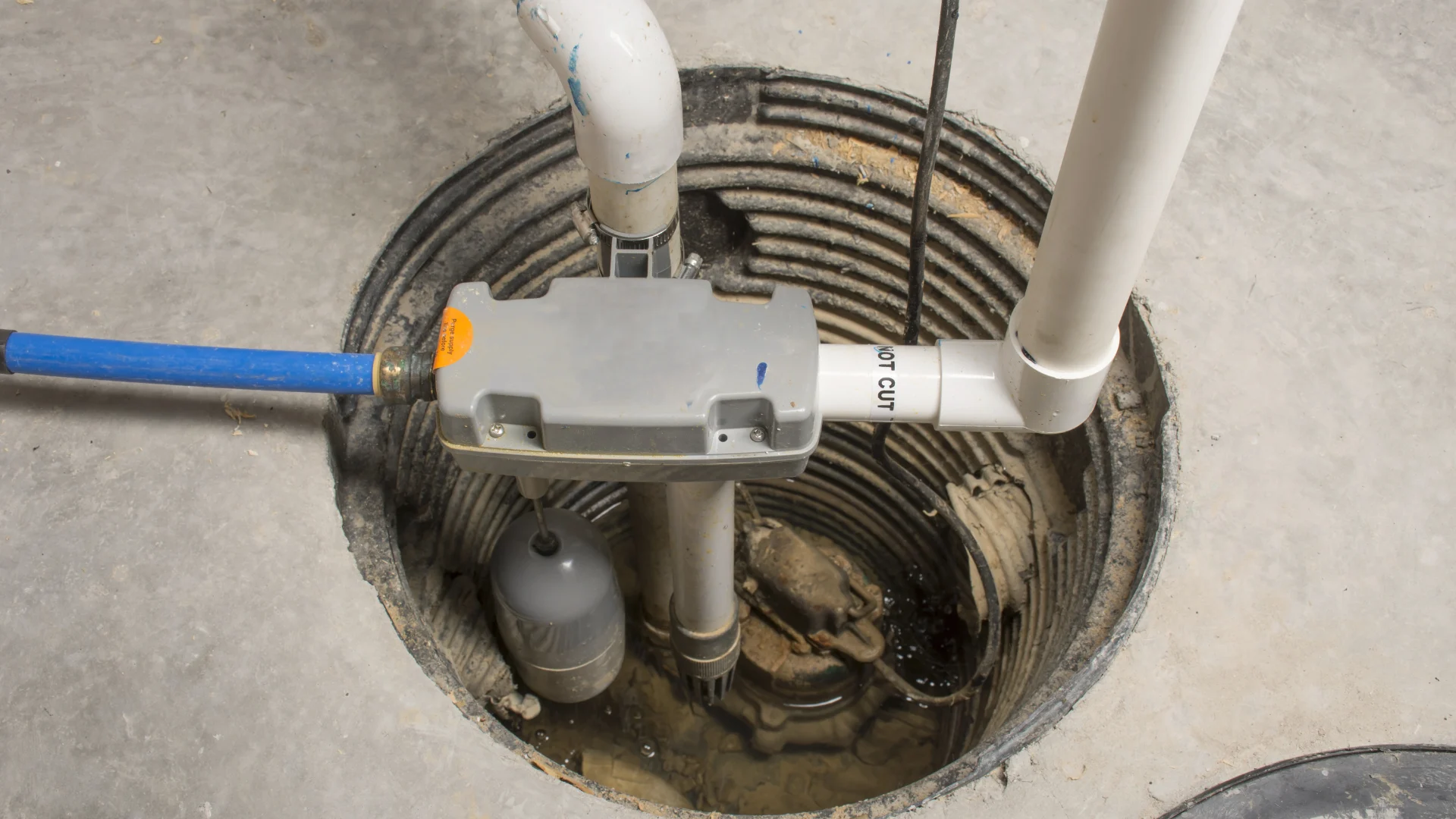
Sump pump battery backup Toronto searches usually increase when the forecast starts calling for heavy rain. That makes sense. A sump pump is only useful if it can keep running when the basement needs it most. Unfortunately, some of the same storms that push groundwater toward your foundation can also knock out power, overload drainage systems, or expose a weak point that has been building quietly for years.
For many homeowners, the sump pump is treated like a background device. It sits in the pit, turns on when water rises, and is easy to forget when the basement looks dry. But if your home depends on a sump pump to move water away from the foundation, backup power is not a small upgrade. It can be the difference between a close call and a flooded basement.
Why Sump Pump Battery Backup Toronto Searches Spike During Storm Season
Toronto homes face a mix of older foundations, compacted lots, aging drainage systems, and sudden heavy rainfall. When the ground becomes saturated, water naturally looks for the easiest path. Sometimes that path is through a foundation crack, a window well, the cove joint where the floor meets the wall, or a drainage system that is no longer keeping up.
A sump pump helps by collecting water and discharging it away from the home. City Wide Group’s own guide to sump pump installation and maintenance explains that a sump pump turns on when water reaches a certain level in the pit, then moves that water away from the foundation. That is exactly why the pump needs to be ready before the storm arrives, not tested for the first time after water is already coming in.
The problem is simple: sump pumps need power. If the electricity goes out during a severe storm, the pump may stop working at the worst possible moment.
What A Battery Backup Actually Does
A battery backup gives your sump pump system a secondary power source. When the main power supply fails, the backup allows the system to keep pumping water for a period of time. It does not make the home flood-proof, and it does not replace proper waterproofing, but it adds an important layer of protection during the kind of weather that puts basements under pressure.
This is especially important for homes that already have signs of groundwater activity. If your sump pump runs often after rain, if the pit fills quickly, or if you have noticed dampness around the perimeter of the basement, your drainage system may already be doing a lot of work. A backup system helps protect that work when the main power source is not available.
Where The Toronto Subsidy May Help
There is also a timely financial reason to look at this now. City Wide Group’s blog on Toronto’s expanded basement flooding subsidy notes that eligible homeowners may receive support for certain flood protection upgrades, including sump pump installation or replacement, alarms, and battery backup power.
The City’s program does not mean every home needs the same fix. It also does not replace a proper inspection. What it does mean is that homeowners who have been delaying flood protection work may have a stronger reason to understand their options before the next storm season gets worse.
If you are planning the work, make sure the contractor itemizes the sump pump and battery backup costs clearly. That matters for subsidy documentation and helps you understand exactly what you are paying for.
A Backup Is Important, But It Is Not The Whole System
A battery backup protects the pump during a power outage. It does not solve every basement water problem. If water is entering through cracks, failing weeping tiles, poor grading, window wells, or foundation wall seepage, the pump may only be managing the symptom.
That is where a full waterproofing assessment matters. If the issue is water collecting around the foundation, then basement waterproofing in Toronto may be needed to reduce the pressure before it reaches the basement. If exterior access is limited, interior waterproofing systems may help collect and redirect water from inside the home in a controlled way.
A sump pump should be part of a plan, not the entire plan. When the drainage path is designed properly, the pump has a clear job. When the home has multiple water entry points, the pump can become overworked.
Signs Your Sump Pump System Needs Attention
Homeowners often wait until the pump fails before they think about replacement or backup power. That is risky. There are warning signs that should be taken seriously.
If the pump cycles constantly, makes unusual noises, struggles to keep up during rain, or has not been inspected in years, it may not be ready for a major storm. If the pit fills quickly after rainfall, that can also mean the home has a heavy groundwater load or drainage issue outside the foundation.
City Wide Group’s basement waterproofing cost guide makes a useful point: waterproofing is not one fixed service with one fixed price. Costs depend on the cause of the water problem, the method required, access, foundation condition, and how much damage has already occurred. The same thinking applies here. Before adding equipment, it is worth understanding why the system is under pressure.
What Homeowners Should Do Before The Next Heavy Rain
Start with a basic test. Pour water into the pit and make sure the pump activates, discharges properly, and shuts off when the water level drops. Check that the discharge line is directing water away from the foundation, not letting it pool beside the house.
Then look outside. Downspouts should move water away from the home. Grading should slope away from the foundation. Window wells should drain properly. If water is being sent toward the house, even a good sump pump may be asked to do too much.
Finally, consider whether a battery backup makes sense for your home. If your basement depends on a sump pump, if your area has frequent outages, or if you have already had water issues during storms, backup power is a practical protection measure.
FAQs
Do I really need a battery backup for my sump pump?
If your home relies on a sump pump to keep the basement dry, a battery backup is strongly worth considering. Storms can cause both heavy groundwater pressure and power outages, which means the pump may stop working when it is needed most.
Will a sump pump battery backup stop all basement flooding?
No. A battery backup helps keep the pump running during a power outage, but it does not repair foundation cracks, failing weeping tiles, poor grading, or other water entry points. A full inspection can help identify whether waterproofing work is also needed.
Is sump pump battery backup covered by the Toronto subsidy?
Eligible Toronto homeowners may qualify for subsidy support for certain sump pump and battery backup work, depending on program rules, timing, documentation, and property eligibility. Homeowners should confirm the current requirements before starting work.
How often should a sump pump be checked?
A sump pump should be checked regularly, especially before major rain seasons. It should also be tested after long dry periods, after power interruptions, and before leaving the home unattended for an extended time.