

Basement flooding insurance Ontario questions usually come up after something has already gone wrong. A homeowner finds water on the floor, sees damage to drywall or flooring, and assumes insurance will take care of the cost. Sometimes coverage may apply. Sometimes it may not. The difference often depends on how the water entered the home, what coverage was added to the policy, and whether the issue is considered sudden damage or an ongoing maintenance problem.
That uncertainty is exactly why prevention matters. Waterproofing, drainage, sump pumps, backwater valves, grading, and foundation repairs are not just repair decisions. They are risk reduction decisions that can help protect the home before a claim is even needed.
Why Basement Flooding Insurance Ontario Questions Come Up After Heavy Rain
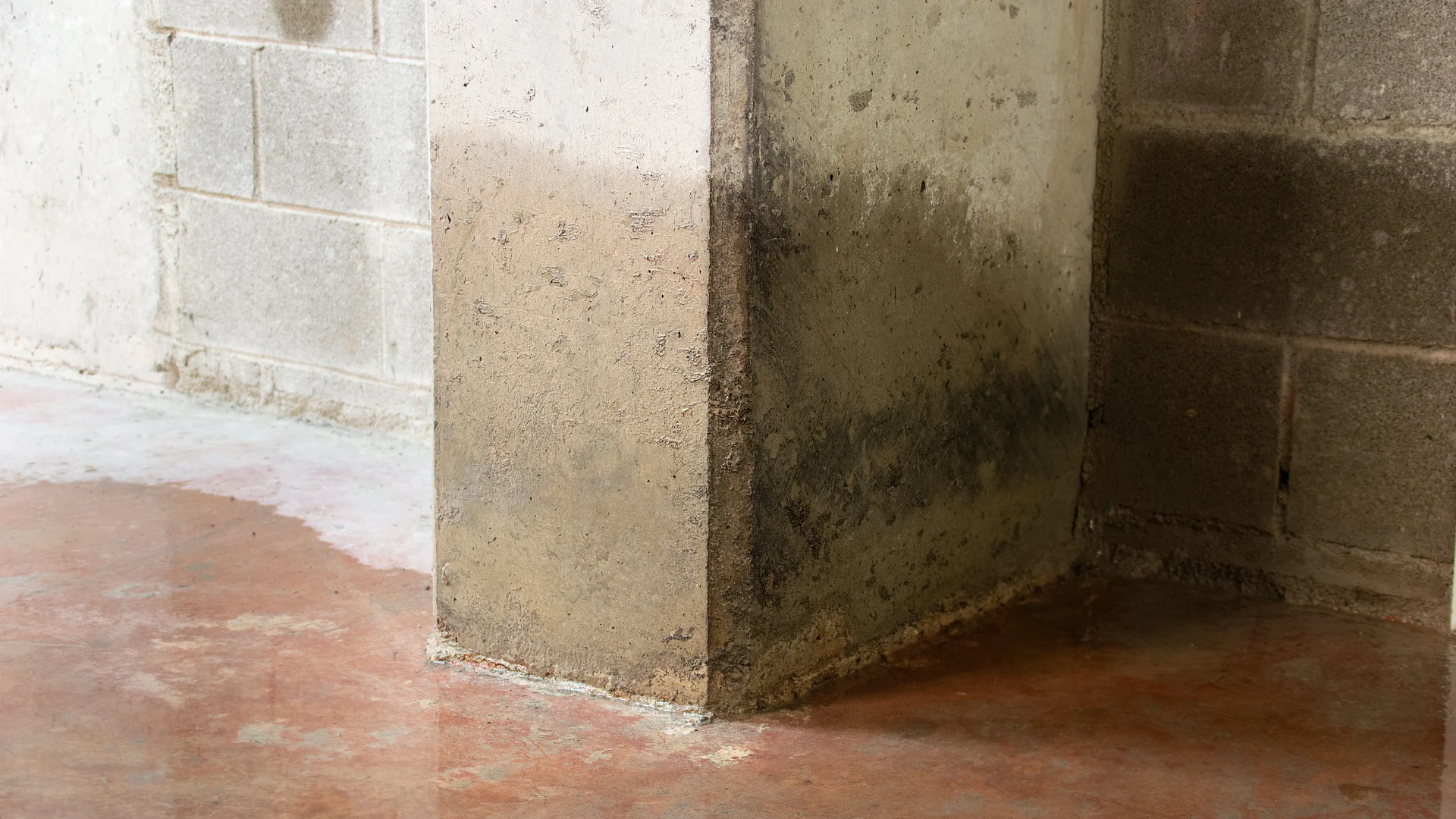
Heavy rain exposes weak points. Water may enter through a foundation crack, seep through porous concrete, collect around a window well, back up through a drain, or rise around the footing when the soil is saturated. To a homeowner, all of these can look like “basement flooding.” To an insurance provider, they may be treated very differently.
The Insurance Bureau of Canada’s flood and water guidance explains that insurance policies vary and homeowners should speak with their insurance representative to confirm the specifics of their coverage. It also notes that some types of water damage may require optional coverage, including sewer backup and overland flood coverage.
That is an important distinction. A flooded basement does not automatically mean the cause is covered.
What Is More Likely To Be Covered
Home insurance is generally designed for sudden and accidental damage. For example, damage from a burst pipe or a malfunctioning appliance may be covered under many policies, depending on the policy wording and circumstances.
This is different from water that enters because the foundation has been leaking for a long time, a crack has been ignored, or drainage around the home has been failing gradually. Repeated seepage and long-term moisture issues are often treated differently because they can be viewed as preventable maintenance concerns.
That is why homeowners should document what happened, take photos, call their insurer quickly, and avoid assuming coverage before the source of the water is understood.
What’s Often Not Covered Without Optional Coverage
Two of the biggest areas homeowners ask about are sewer backup and overland flooding. Sewer backup happens when water or sewage backs up through drains or plumbing fixtures. Overland flooding involves water flowing over the surface of the land and entering the home, often during heavy rain or when drainage systems are overwhelmed.
The Insurance Bureau of Canada explains that sewer backup is typically not covered by a standard policy, although optional sewer backup coverage is offered by most insurers. It also notes that overland flood coverage is optional and based on risk.
This does not mean every homeowner has the same options. Availability, limits, deductibles, and pricing depend on the insurer, the property, and the risk profile. The key takeaway is simple: homeowners should ask before a storm, not after a flood.
Why Prevention Matters Even If You Have Coverage
Insurance may help with certain losses, but it does not make a wet basement harmless. Water can damage flooring, drywall, framing, insulation, stored belongings, mechanical equipment, and electrical components. It can also create moisture conditions that allow mould to develop behind finished surfaces.
That is why a prevention-first approach is valuable. City Wide Group’s blog on basement waterproofing do’s and don’ts makes a helpful point: the visible water is not always the whole story. A proper inspection looks at where water is collecting outside, how it is moving toward the home, and how it is getting inside.
That bigger-picture view matters because a cosmetic fix can hide the evidence without solving the problem.
How Waterproofing Can Reduce Basement Flooding Risk
If water is coming through foundation walls, floor joints, cracks, or failed drainage, waterproofing may help control the source. Basement waterproofing in Toronto can involve exterior systems that stop water before it enters, interior systems that collect and redirect water, crack repairs, sump pump upgrades, weeping tile replacement, or a combination of solutions.
For some homes, foundation crack repair is enough to address a specific leak. For others, especially where hydrostatic pressure is pushing against the foundation, broader exterior waterproofing may be the more durable option.
The right solution depends on the source. A backwater valve may help reduce sewer backup risk, but it will not stop groundwater seepage through a wall. A sump pump may move collected water away, but it will not repair a cracked foundation. A waterproofing system should match the way water is entering the home.
What To Ask Your Insurance Provider
Homeowners should ask clear questions before the next heavy rainfall. Do you have sewer backup coverage? Do you have overland water coverage? Are sump pump failures included? Are there special limits for basement contents or finished basement materials? Are there exclusions for seepage, foundation leaks, or repeated water entry?
It is also worth asking whether prevention upgrades can affect your coverage or premium. Some insurers may look favourably on backwater valves, sump pumps, battery backups, and other flood protection measures. Policies vary, so the answer should come from your insurer, not guesswork.
When To Call A Waterproofing Company
If your basement has leaked more than once, if you notice damp corners after rain, or if there is a musty smell that keeps returning, it is worth having the home inspected. Waiting for the next flood can make the repair more expensive and can complicate the insurance conversation.
City Wide Group’s 2026 basement waterproofing cost guide explains that price depends on the source of the problem, the condition of the foundation, the method required, and the amount of damage already present. In other words, early diagnosis can help prevent both water damage and unnecessary spending.
A dry basement is not only about comfort. It protects the structure, the finished space, the value of the home, and the peace of mind that comes with knowing the next storm is less likely to become an emergency.
FAQs
Does home insurance cover basement flooding in Ontario?
It depends on the cause of the flooding and the coverage included in the policy. Sudden indoor water damage may be covered in some cases, while sewer backup, overland flooding, seepage, and groundwater-related issues may require optional coverage or may be excluded.
Is sewer backup covered by standard home insurance?
Sewer backup is typically not covered by a standard policy. Many insurers offer optional sewer backup coverage, so homeowners should confirm whether it is included before they need to file a claim.
Is foundation seepage covered by insurance?
Foundation seepage is often more complicated because it may be considered a maintenance or gradual damage issue. Homeowners should confirm with their insurance representative and have the source of water entry inspected.
Will insurance pay for basement waterproofing?
Insurance usually focuses on covered damage, not necessarily the cost of prevention or upgrades. Basement waterproofing is often a homeowner investment to reduce future risk, but every policy is different.
What should I do after finding water in the basement?
Take photos, protect belongings if it is safe to do so, avoid using electrical items near water, contact your insurance provider, and arrange an inspection to determine how the water entered the home.