



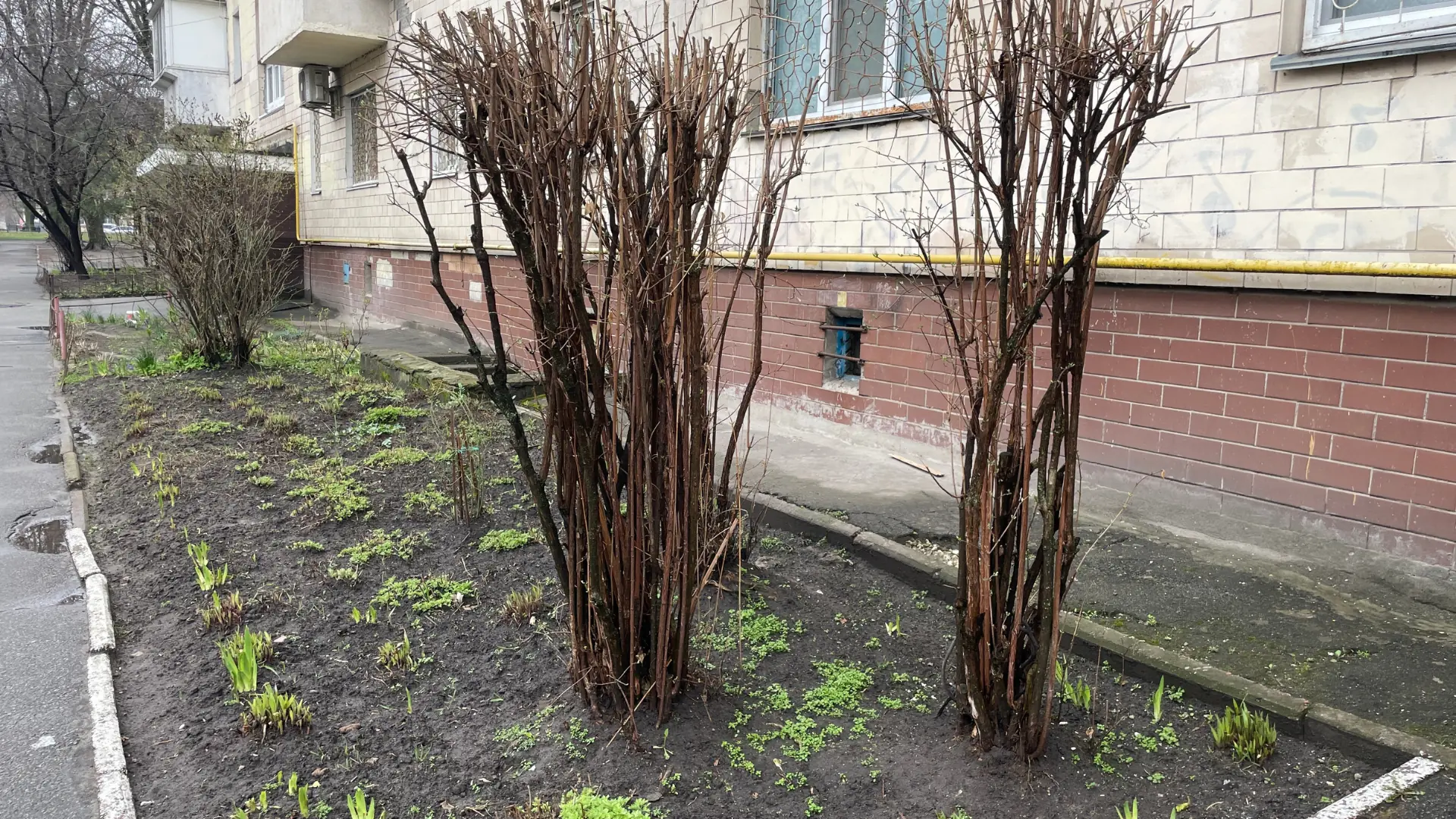
A lot of basement leaks start nowhere near the basement. They start in the yard.
That is one of the easiest things for homeowners to miss in spring. During winter, snowbanks pile up, soil freezes, walkways shift, and the ground around the house takes on more wear than most people realize. By the time the thaw arrives, the landscaping that used to carry water away from the foundation may no longer be doing its job.
The result is familiar. Water pools near the house. The soil looks flat or even slopes inward. Mulch beds trap runoff instead of dispersing it. Low spots form beside the wall. Then the first stretch of rain or melt sends that water toward the foundation, where it finds a crack, a joint, a window well, or the wall-floor connection.
The City of Toronto’s basement flooding page specifically lists poor lot grading, basement window leaks, failed weeping tile systems, overflowing eavestroughs, and plugged downspouts among the common causes of basement flooding. Its flood prevention guidance also says the grading around the home should slope away from the foundation wall.
Why Grading Changes After Winter
Grading is not something you set once and forget forever. Soil settles. Freeze-thaw cycles move it. Snow clearing can pile weight in the wrong places. Decorative landscaping can gradually raise or redirect sections of the yard. What looked fine last summer may not be fine after a full Ontario winter.
The City of Toronto’s page on managing water around the house says landscaping should slope away from the foundation and notes that replacing some hard surfaces with more permeable areas can help absorb rainwater and melted snow. That is practical advice because spring runoff is often a surface-water problem before it becomes a foundation problem.
City Wide Group has already made a similar point in The Basement Waterproofing Do’s and Don’ts That Can Save You Thousands. One of the most useful takeaways in that post is to start with the real source of the water, not just the symptom. If water is collecting outside, the damp basement wall is only the final stop in the chain.
The Landscaping Mistakes That Quietly Push Water Toward the House
The most common issue is settled soil. Over time, the ground next to the foundation can sink just enough to create a shallow trough. You may not notice it until a rainy day makes the area shine with standing water.
Another problem is raised garden beds or edging installed too close to the home. These can trap moisture at the base of the wall and interfere with the natural slope away from the house. Hardscaping can do the same thing. A patio, path, or interlock section that now pitches slightly inward can feed runoff directly toward the foundation instead of away from it.
Then there is the downspout problem. A downspout can be technically disconnected and still be draining too close to the house. Toronto’s guidance says disconnected downspouts should drain properly and ideally discharge about two metres from the foundation. If that water is landing beside a settled flower bed or low patch of soil, the grading issue gets worse with every storm.
What This looks Like Inside the Basement
The interior clues are usually frustratingly subtle at first. A corner feels damp after rain. A strip of paint bubbles near floor level. You smell something musty in one section of the room, but there is no obvious flood. This is often the stage where homeowners assume the issue is minor because the damage does not look dramatic yet.
City Wide Group’s blog on 7 things you can do to stop your basement leaking after heavy rain offers a practical reminder that proper exterior drainage is one of the first things to correct. That post also talks about extending runoff away from the house, which is exactly where grading and landscaping issues show themselves.
Their 10 warning signs your basement needs waterproofing is useful for this topic too. Musty odours, staining, and efflorescence do not always announce a dramatic leak. Often they are the early signals of recurring moisture caused by outside drainage that has slowly gone off course.
How To Inspect the Yard In Spring
The best time to check grading is during or right after rain, or during a period of active snowmelt. Walk the perimeter and look for water lingering near the foundation. Watch where roof runoff lands. Check whether mulch has washed into low areas. Look at window wells, steps, and edges of walkways for places where water appears to settle instead of moving along.
Pay attention to places where the soil line has dropped below where it used to be. Watch for splashback marks on the wall or muddy sections along the foundation. If you have a landscaped slope, look for erosion channels that may be directing water sideways toward the house.
This is also where City Wide’s exterior versus interior waterproofing guide becomes relevant. Their explanation that exterior systems are designed to stop water before it enters the basement is a good framing device. If the problem begins with surface runoff and failed grading, exterior corrections are often central to the long-term fix.
Why Small Grading Issues Become Bigger Waterproofing Problems
Water does not need a dramatic opening to get into a basement. Given enough time and enough pressure, it will exploit small cracks, porous materials, joints, and weak points. When the ground beside the house stays saturated, hydrostatic pressure increases. That is when dampness becomes seepage, and seepage becomes repeated interior damage.
That is why homeowners looking for basement waterproofing Toronto help should not separate exterior drainage from interior symptoms. If the grading is wrong, the basement will keep paying for it.
The good news is that this kind of issue is often very visible once you know where to look. Spring gives homeowners a chance to see drainage patterns clearly and fix them before summer storms arrive.
Don’t let landscaping hide a water problem
Nice landscaping can sometimes disguise poor drainage. A neat border, fresh mulch, or decorative stone does not mean the grade is working. In fact, those details can sometimes cover the low areas where runoff is collecting.
The best spring approach is honest observation. Watch how the property behaves when water is actually moving. If the yard is sending runoff toward the home, waterproofing starts there.
FAQs
Can landscaping alone cause a basement leak?
Yes. If the soil or hardscaping directs water toward the foundation, that surface runoff can contribute to seepage through cracks, joints, windows, and other weak points.
How far should downspouts discharge from the house?
The City of Toronto says disconnected downspouts should ideally drain about two metres from the foundation walls.
Is regrading enough, or do I also need waterproofing?
Sometimes correcting the slope and runoff pattern is enough to solve a surface-water issue. In other cases, especially where water has already been entering the basement, grading repair and waterproofing work need to be combined.