



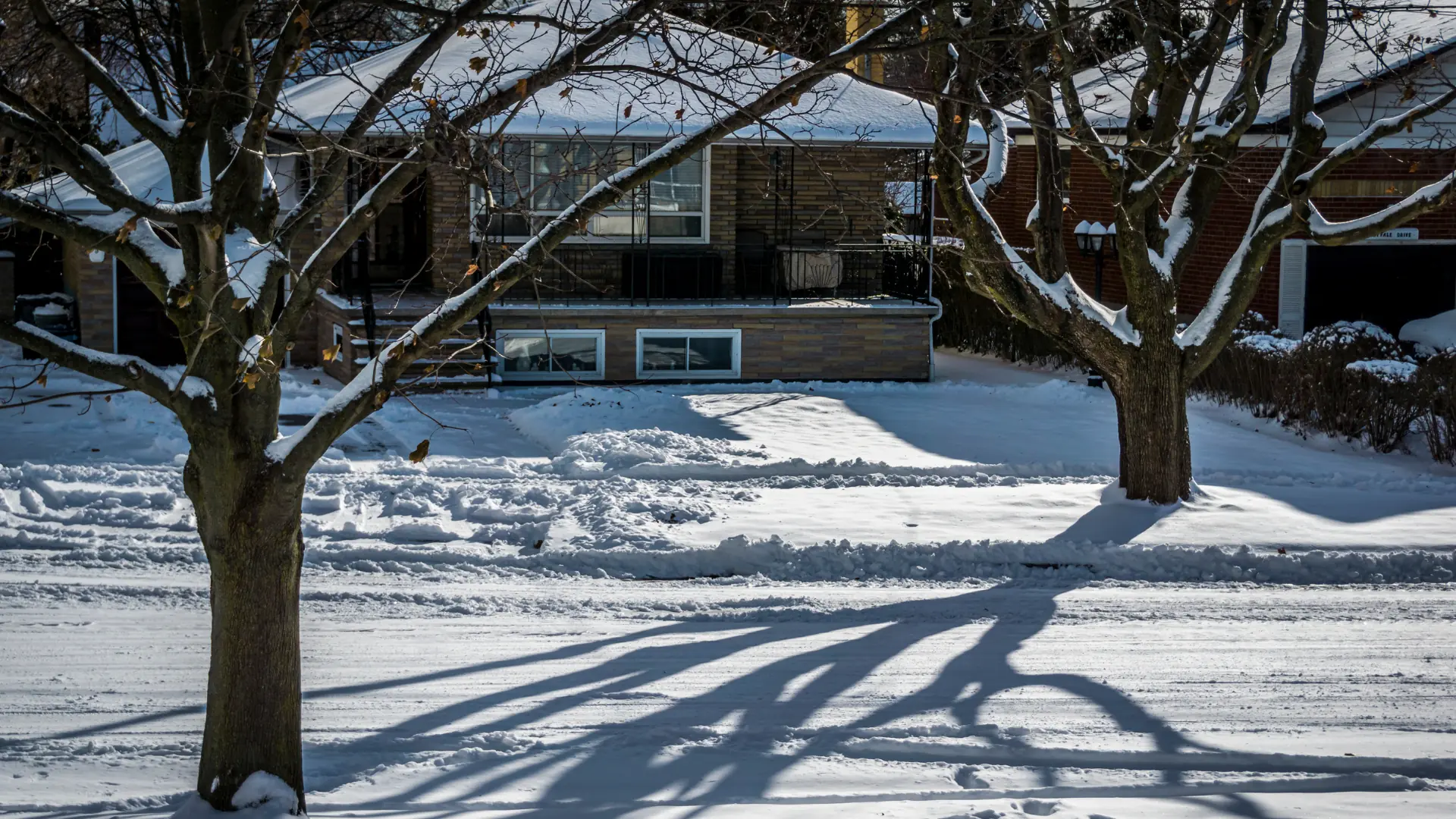
Winter is tough on foundations in Ontario. Snow piles up, mild days bring surprise melt, and the ground can freeze so hard that water has nowhere to go except sideways. If you have ever noticed damp corners, a musty smell, or a small drip that only appears after a thaw, you already know the pattern. Winter does not always cause a leak, but it has a way of revealing weak spots fast.
A smart winter plan is not about panic-proofing your home. It is about keeping water away from the foundation, giving it a path to drain, and knowing when a quick fix is not enough. If you are already thinking ahead, start with a clear overview of professional basement waterproofing options so you understand what is preventable, and what requires a real repair.
Why basements leak more often in winter
Most winter water problems come down to pressure and timing. When the ground freezes, water from melting snow cannot soak in the way it does in spring or summer. It collects at the surface, runs toward the path of least resistance, and can pool near foundation walls. Add freeze and thaw cycles and small foundation cracks can widen over time.
City Wide Group breaks this down clearly in their post on why basements leak during winters, including the usual culprits like clogged gutters, poor drainage, and frozen ground that holds water against the home. That explanation matters because it highlights a key point homeowners miss. Winter leaks are often a drainage problem first, and a foundation problem second.
Start with roof runoff and downspouts before you touch the basement
If water is landing beside your foundation, no interior fix will feel truly “done.” The first place to look is above your head. Gutters that overflow, downspouts that dump water too close to the wall, and ice dams that reroute meltwater can all push moisture toward the basement.
The City of Toronto’s basement flooding guidance includes practical steps that apply across the GTA, like keeping eavestroughs clear, making sure downspouts carry water away from the foundation, and confirming the soil slopes away from the house. Their page on how to prevent basement flooding is a good benchmark for what “basic prevention” should look like on any property.
If you have not checked your downspout extensions in a while, winter is when short discharge points get exposed. Water hits frozen ground, spreads, then refreezes in place. Over the season, that repeated moisture load can add up.
Inspect cracks and window wells before the next deep freeze
A hairline crack can look harmless until a thaw turns it into a drip. If you can see cracks on the exterior wall, staining on basement walls, or wet spots near window wells, those are worth taking seriously. Water expands when it freezes. That movement can slowly work on weak points, especially where old patch repairs have started to fail.
If you are comparing solutions, this is the moment to look at the difference between a short-term seal and real protection. For homeowners searching for basement waterproofing services in Toronto, the best results come from diagnosing the source properly, not just treating the symptom you see indoors.
Window wells also deserve attention. If they are full of leaves, buried under snow, or draining poorly, they can become a direct channel for water to sit against the foundation.
Make sure your sump pump can handle winter conditions
A sump pump is one of the most important safety nets in a wet winter, but only if it is working and discharging properly. The pump itself matters, but the discharge line matters just as much. If the line freezes, the pump can run without moving water where it needs to go.
City Wide Group’s article on the importance of sump pumps in basement waterproofing makes a point that is easy to overlook. A sump pump is not just for dramatic storms. It is for the everyday accumulation of water that happens when snow melts, rain hits frozen ground, or groundwater rises after repeated mild days.
For a Canadian reference point, the Government of Canada’s Flood Ready program also emphasizes basics like checking your sump pump, adding a battery backup, sealing openings, and keeping drains clear through their basement protection guidance. That is the kind of checklist that prevents the most common, preventable basement disasters.
If you are dealing with recurring seepage, a properly designed interior waterproofing system can add drainage and pumping support that works quietly in the background, even when winter weather is unpredictable.
Know when an exterior fix is the better long-term answer
Interior systems can be highly effective, especially for managing water that is already finding its way in. But some homes need a stronger line of defence outside. If you have persistent leaks along a specific wall, worsening cracks, or signs of water pressure on the foundation, it may be time to think bigger.
That is where exterior waterproofing comes in. By protecting the foundation from the outside, it can reduce the amount of water that reaches the wall in the first place. In winter, that matters because frozen ground and melt cycles can create repeated water pressure against the home.
A good way to think about it is this. If winter water is consistently showing up in the same area, you likely have a predictable water path outside. Fixing the path is usually more permanent than repeatedly drying the floor.
Do not wait for the “big leak” to act
Many winter leaks start small. A damp patch after a thaw. A musty smell that comes and goes. A corner that feels cooler than it should. The risk is that homeowners normalize it until one warm spell sends a lot of meltwater toward the house at once.
If you want a professional assessment and a plan that fits your home, working with a dedicated basement waterproofing company can save you from trial-and-error spending. The right fix depends on where the water is coming from, how it is moving, and what parts of the foundation and drainage system are already under strain.
What to do during a mid-winter thaw if you notice water
If you see water in the basement during a thaw, stay calm and get practical. First, confirm whether it is clean water seepage or something else. Then focus on limiting spread and moisture. Dry the area, run a dehumidifier if you have one, and keep valuables off the floor.
If the leak is active, document what you see. Note where the water appears, how quickly it spreads, and whether it follows a crack line or comes up near a drain. That information makes diagnosis faster and more accurate when a professional reviews the issue.
Most importantly, do not assume it will “go away” once temperatures drop again. Winter leaks often return with the next melt cycle, and each cycle can leave behind moisture that contributes to mould risk and material damage.
A winter plan that protects your basement and your peace of mind
The best winter waterproofing strategy is simple in concept. Keep roof and surface water away from the foundation. Make sure drainage has a clear path. Maintain the systems that manage water inside. Then address foundation vulnerabilities before they grow.
If you want a clear next step, start with a review of basement waterproofing options and match the solution to what your home is actually doing, not what you hope it is doing. Winter is not forgiving, but it is predictable. With the right preparation, most basement water problems are preventable.
FAQs
Can waterproofing be done during winter?
In many cases, yes. Some repairs and interior solutions can be completed year-round. Exterior work may depend on weather, access, and ground conditions, but an assessment can still identify the right approach and timing.
Do I need interior waterproofing if I already have a sump pump?
A sump pump is valuable, but it is only one piece of the system. Interior waterproofing can add drainage pathways that direct water to the pump, which is especially useful if seepage is occurring along walls or floor joints.
How do I know whether I need interior or exterior waterproofing?
If the issue is occasional seepage and you want a less invasive approach, interior systems may be enough. If you have persistent leaks tied to specific walls, worsening cracks, or water pressure problems, exterior protection may be the better long-term solution. An assessment can confirm what fits your home.