



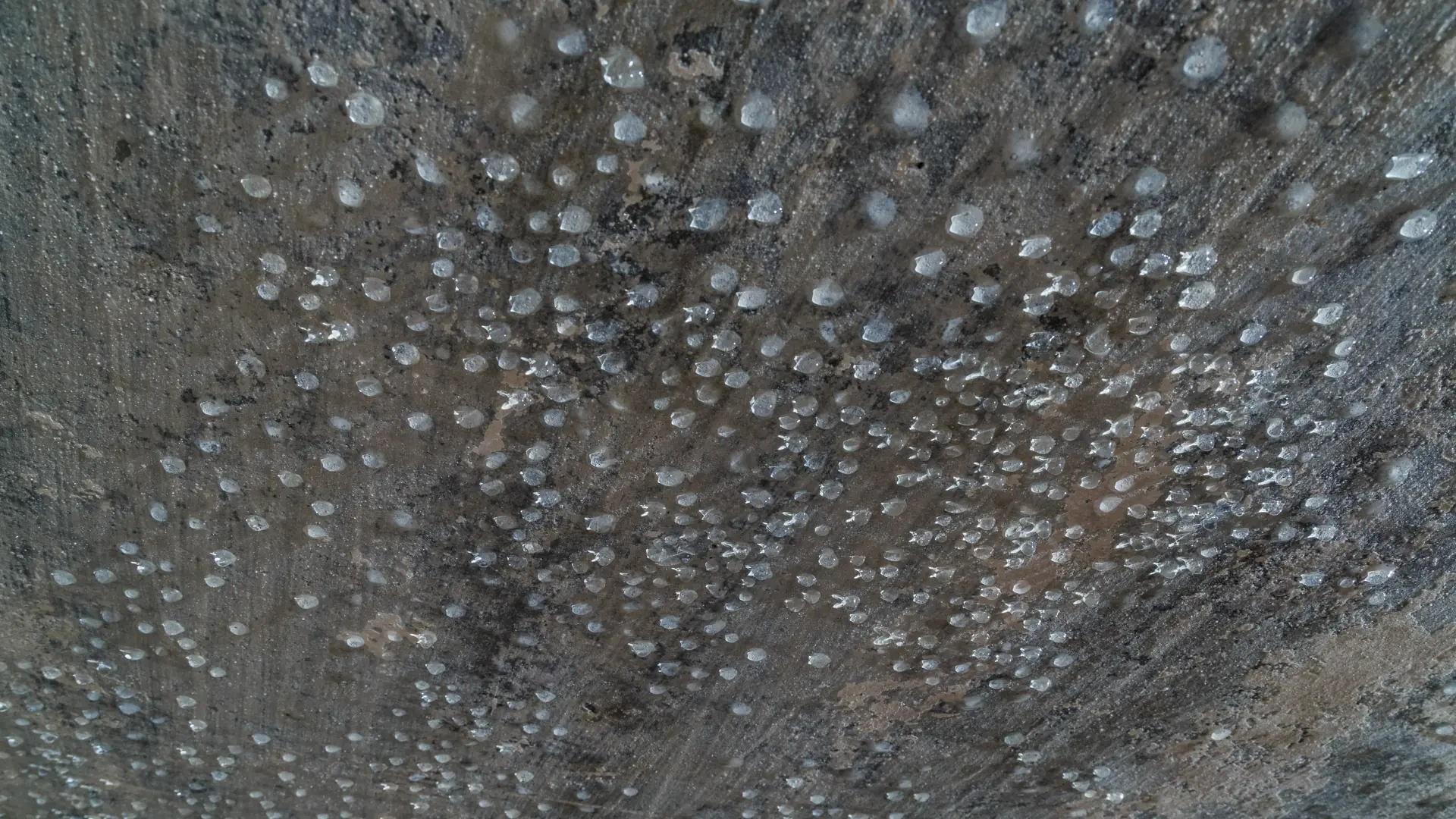
Spring is when a lot of homeowners head downstairs, catch that damp smell, and immediately assume the foundation is leaking. Sometimes that instinct is right. Sometimes it is not. What makes spring tricky is that basements can feel damp for two very different reasons. One is water entering from outside. The other is condensation forming when warmer, humid air meets cool basement surfaces.
The difference matters. A true leak usually points to drainage trouble, cracks, hydrostatic pressure, or another foundation issue that needs attention. Condensation, on the other hand, is often tied to humidity, airflow, and temperature changes. The challenge is that both problems can leave behind similar clues, including musty air, water spots, and a general sense that the basement never fully dries out.
This is where homeowners can lose time. They wipe up moisture, run a fan for a few days, and hope the problem will sort itself out once the weather settles. If the source is exterior water, that delay can make the damage worse. If the source is indoor humidity, the wrong fix can waste money without improving the space. Health Canada’s guide to addressing moisture and mould indoors notes that moisture problems need the underlying cause addressed, and that hidden mould can grow behind walls or above ceilings where dampness lingers.
Why spring creates so much confusion in the basement
Basements stay cooler than the upper floors of a house long after outdoor temperatures begin to rise. That’s why the first warm spell of the season can make concrete walls, floors, pipes, and stored items feel damp even when no rainwater is coming in. Health Canada’s healthy home guide recommends keeping indoor humidity in the 30 to 50 per cent range and specifically notes that a dehumidifier can help in damp basement areas.
That said, spring is also when snowmelt, thawing ground, and early rain start pushing water toward the home. The City of Toronto’s basement flooding guidance lists poor lot grading, failed weeping tiles, leaking basement windows, overflowing eavestroughs, and plugged downspouts among the common causes of basement flooding. In other words, spring can trigger condensation and real water entry at the same time.
City Wide Group has already touched on this idea in their post on why basements leak during winters, where they explain that frozen ground and changing moisture conditions often reveal the weak spots homeowners do not notice during drier months. That point carries right into spring. The season does not create every problem, but it does expose them.
What Condensation Usually Looks Like
Condensation tends to show up as a thin film of moisture rather than a defined entry point. You may notice sweating on cold water pipes, dampness on a small section of concrete wall, or a clammy feeling in the air after a humid day. The moisture may be more noticeable in corners with poor airflow, behind boxes, or near uninsulated surfaces.
Another clue is timing. Condensation often appears when the weather shifts quickly, especially after the first few warm, humid days of the season. It may also improve when the space is ventilated properly and a dehumidifier is running. If the moisture shows up without any obvious rainfall and seems tied to indoor stuffiness, condensation is a strong possibility.
City Wide Group’s article on 10 warning signs your basement needs waterproofing makes a useful point here. Musty odours, staining, and efflorescence are all early warnings, but they are only helpful if you treat them as clues rather than conclusions. A smell alone does not confirm a leak. It tells you the basement is staying too damp for too long.
What A Real Leak Usually Looks Like
Leaks tend to leave a pattern. You may see a wet line along the bottom of a wall, a recurring puddle in the same corner, darkening after rain, or water tracking in near a window or crack. The moisture may feel more localized and persistent than condensation. It often follows weather events or snowmelt rather than indoor humidity alone.
White chalky residue on the wall is another common giveaway. That mineral deposit forms when water moves through masonry and evaporates. It is one of the signs City Wide highlights in their own blog because it often means water is actively travelling through the foundation rather than simply forming on the surface.
If you notice wet drywall, peeling paint, swollen baseboards, or flooring that repeatedly feels damp in the same area, the odds shift toward infiltration. That is especially true if the outside of the home also shows drainage problems.
A Few Checks Homeowners Can Do Before Guessing
Start with the simplest question. Did the moisture appear after rain or thaw, or did it show up during warm, muggy weather? Then look at the texture of what you are seeing. Surface beading on pipes or cold concrete points more toward condensation. Water entering at joints, cracks, or the wall-floor connection points more toward leakage.
Next, look outside. Check whether downspouts are discharging too close to the home, whether window wells are holding debris, and whether the grading has settled so water runs back toward the foundation. Health Canada also recommends keeping eavestroughs clean and making sure rain and snowmelt drain away from the structure.
If you suspect the problem is bigger than humidity, this is where a professional assessment matters. A proper inspection looks at both the symptom inside and the route water is taking outside. That is why many homeowners looking for basement waterproofing Toronto solutions are not really buying a membrane or a sump pump first. They are buying clarity.
Why the Wrong Assumption Can Cost You More
Treating a leak like condensation usually means waiting too long. Moisture keeps entering, materials stay wet, and what could have been a targeted repair becomes a larger waterproofing job. Treating condensation like a foundation failure can also be expensive, because you may start chasing major work when the immediate issue is humidity control, ventilation, and localized moisture management.
The smarter approach is to avoid forcing every damp basement into one category. Sometimes homeowners need dehumidification and better airflow. Sometimes they need crack repair, exterior waterproofing, or drainage corrections. Sometimes they need both.
City Wide Group’s voice is strongest when it stays practical, and that is the takeaway here. Do not ignore the signs, but do not jump to the most dramatic conclusion either. The goal is to figure out why the basement is damp, not just where the water showed up.
When It’s Time to Call a Waterproofing Professional
If the moisture keeps returning, if there is visible staining or efflorescence, if the smell does not improve, or if you can tie the dampness to rain or melt, it is time to get the basement looked at properly. Repeated moisture is not something to monitor indefinitely.
Spring is one of the best times to investigate because the evidence is easier to spot. The patterns are active. Drainage weaknesses show themselves. Window wells, grading problems, and wall-floor seepage become much easier to diagnose while the conditions are actually happening.
FAQs
Can condensation in a basement really cause damage?
Yes. Even when the moisture is coming from indoor humidity rather than a leak, damp surfaces can still support mould growth and damage stored items, drywall, wood, and finishes over time. Health Canada specifically warns that mould can grow in hidden areas if dampness is left unresolved.
Should I just run a dehumidifier and wait?
A dehumidifier can help if humidity is the main problem, but it should not be used as a long-term substitute for diagnosing recurring moisture. If the dampness keeps returning after rain or thaw, there may be an exterior water issue that needs repair.
Is a musty smell always a sign of a leak?
Not always. A musty smell means the basement is staying damp enough for mould or mildew to become a concern. The source could be condensation, exterior seepage, poor ventilation, or a combination of factors. The smell is an early warning, not a final diagnosis.