



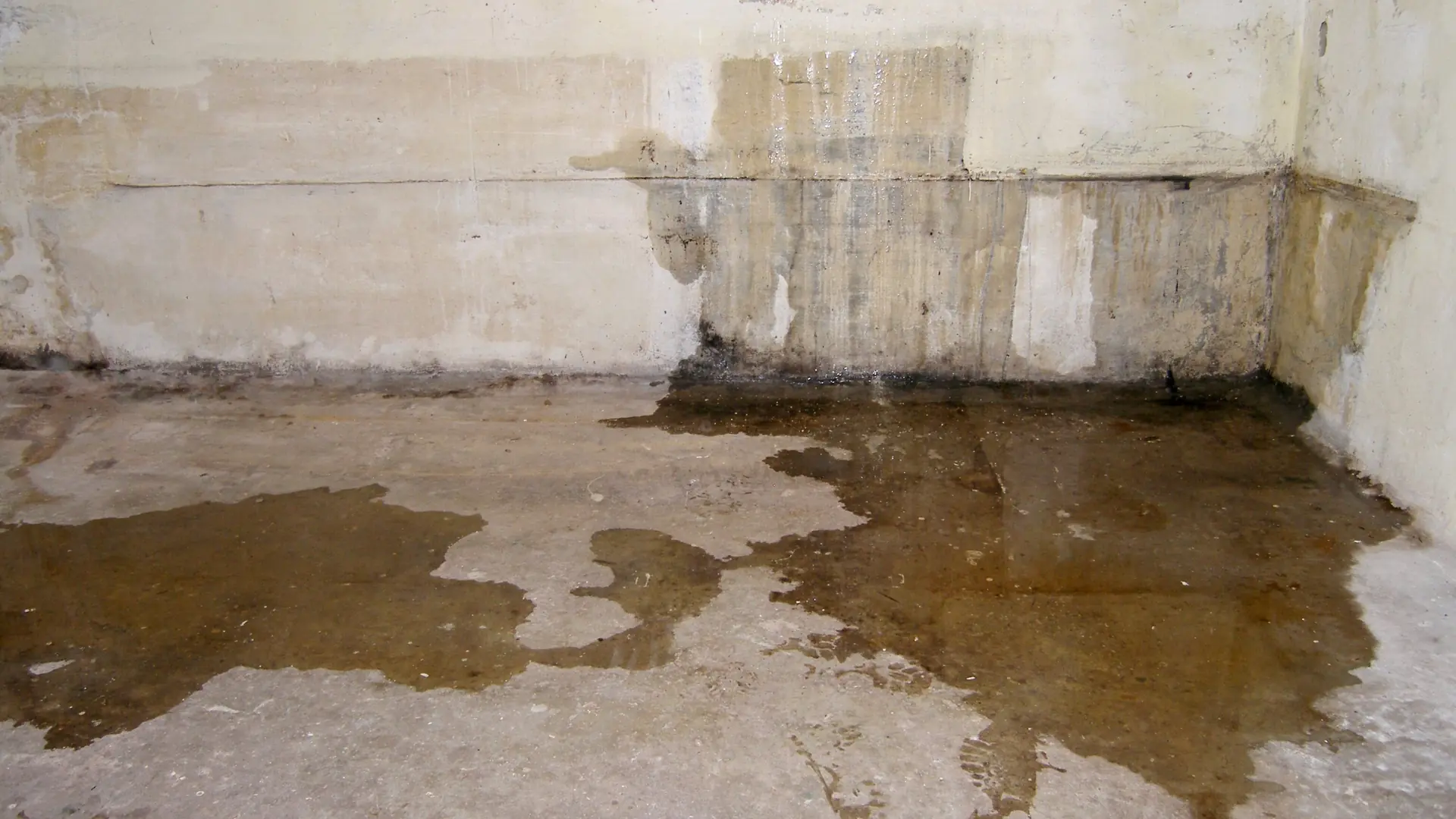
February is when basements reveal the truth
A lot of homeowners only think about waterproofing after a major leak. February is better, because it is often when you see the “truth” without the drama of a full flood. Condensation, slow seepage, damp corners, and musty odours are common this time of year, especially when warm spells trigger partial melts and water pools near the foundation.
If your basement is finished, February is also when hidden moisture can start to show itself as bubbling paint, warped baseboards, or a persistent smell that does not go away with a dehumidifier. That is your cue to stop guessing and start investigating.
First, separate moisture from leaks
Not all dampness is a crack. Sometimes it is humidity and condensation, especially in older homes with cooler foundation walls. Other times it is groundwater pressure, surface drainage issues, or a direct entry point.
A practical Canadian resource that helps homeowners think through the difference is CMHC’s publication, A Guide to Fixing Your Damp Basement. It walks through diagnosis basics and common remedies, which can be helpful context before you speak to a contractor.
From there, it helps to understand the most common pathways for water entry. City Wide Group’s breakdown of how basements start leaking is a good primer if you want to connect what you are seeing indoors with what is happening outside.
Interior waterproofing: when controlling water is the best move
Interior systems are often the right fit when the main issue is seepage through joints, cove areas, or cracks where exterior access is limited. The goal is to manage water safely and keep it from becoming damaged, usually with an interior drainage strategy and sump support.
City Wide Group’s interior waterproofing options are designed for that reality: stop moisture from becoming ruined flooring, mouldy drywall, or ongoing cleanup every time the weather swings.
If you are seeing repeated dampness in the same area, or you have a finished basement where opening walls is a concern, an interior approach can be a practical and effective step, especially when paired with targeted crack repair.
Exterior waterproofing: when stopping water before it enters matters most
Exterior waterproofing is about prevention at the source. When conditions allow, it addresses the foundation wall from the outside and helps reduce the pressure that pushes water inward.
For homeowners who have persistent leaks tied to a specific wall, worsening cracks, or signs of exterior drainage failure, exterior waterproofing in Ontario can be the right long-term answer. It is more invasive than interior work, but it can be the most direct way to keep water from entering the structure in the first place.
City Wide Group lays out a homeowner-friendly comparison in Exterior vs. Interior Basement Waterproofing: What’s Best for Your Home?. One of the most useful takeaways is that the “best” choice is not about preference. It is about where the water is coming from and what the home’s layout allows.
February planning: costs, timing, and what affects pricing
Homeowners often want a simple number for waterproofing, but pricing depends on scope, access, and the specific failure points. A small crack repair is different from a full perimeter system. A home with tight lot lines and hardscaping is different from a home with easy excavation access.
If you want a clear overview of pricing factors, City Wide Group’s How Much Does Interior Waterproofing Cost? is a helpful starting point, especially for understanding why two homes on the same street can have different quotes.
The best February approach is to get an assessment, decide what needs to be prioritized before spring, and plan the rest in a way that fits your budget and your schedule.
Insurance is not waterproofing, but February is a good time to review it
Basement water events often raise a second question: “Will insurance cover this?” The answer depends on the type of water and the coverage you have.
The Insurance Bureau of Canada explains how coverage commonly works for flood and water damage, including the fact that sewer backup coverage is typically optional. Their page on water damage and flood protection in Canada is worth reading before a problem becomes an emergency.
This is not a reason to panic. It is a reason to be realistic. Waterproofing protects the home. Insurance can help you recover after a loss, but it does not prevent the next one.
If you are seeing signs now, do not wait for the first spring storm
The most common February regret is waiting for “proof” in April. If your basement is already telling you something is off, you can usually save time, stress, and money by acting now.
For homeowners in the region who want local support and a clear plan, City Wide Group provides basement waterproofing solutions built around diagnosis first, then the right fix for the home.
If you want to start with a no-pressure first step, request a free estimate and get a professional opinion before spring weather turns small issues into expensive surprises.