



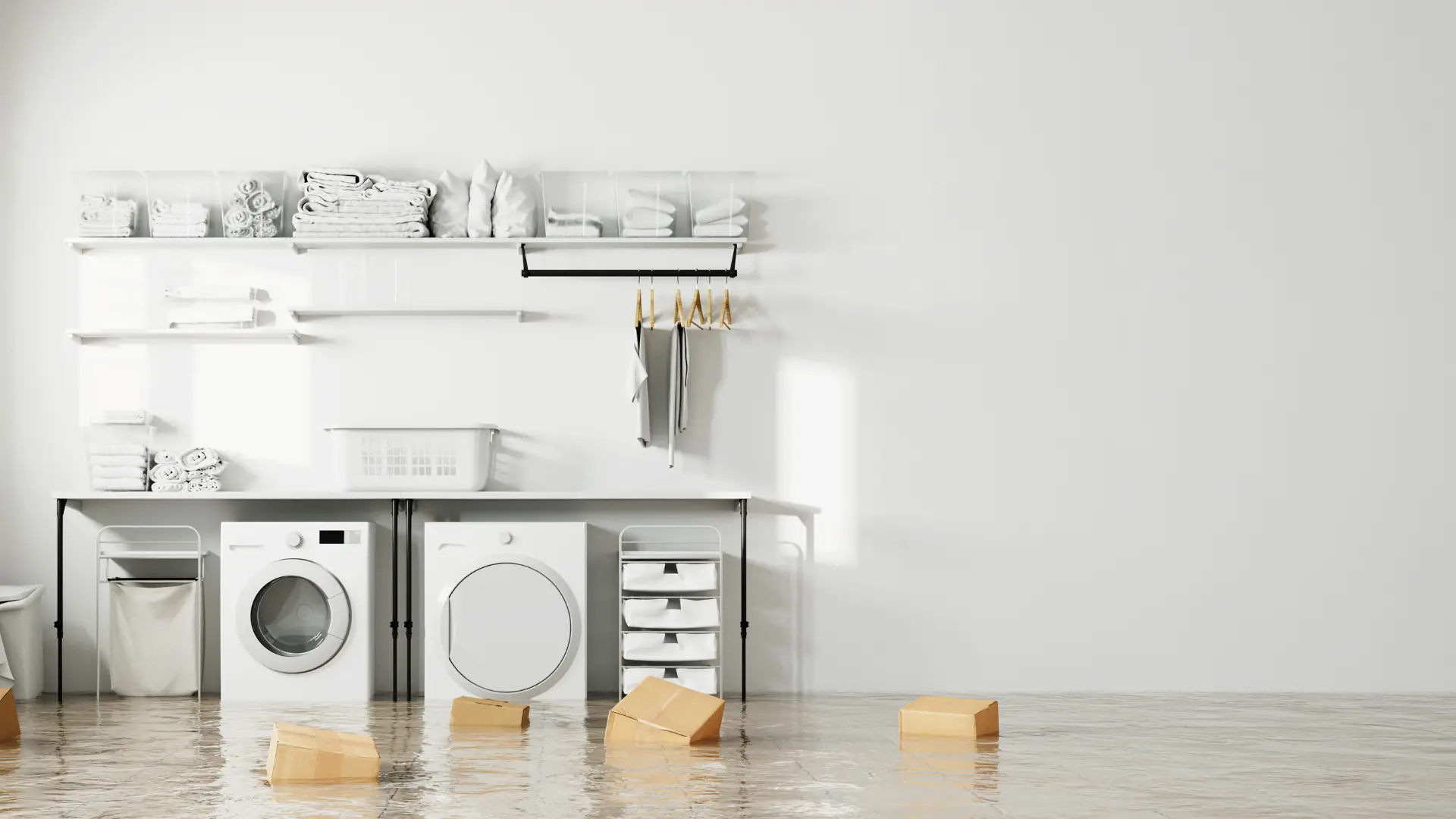
A damp basement rarely stays “just a little damp.” What starts as a musty smell or a small wet spot near the wall can turn into damaged flooring, ruined drywall, mould growth, and the kind of repair bill that makes you wish you’d acted sooner.
The good news is that a lot of expensive basement water problems are preventable, especially when you focus on the right fixes and avoid the tempting shortcuts. Below are the basement waterproofing do’s and don’ts City Wide Group sees most often in Toronto and across Ontario, along with the habits that protect your home long after the rain stops.
Do Start With the Real Source of the Water (Not the Symptom)
Water shows up in basements for a handful of predictable reasons: surface runoff that isn’t being carried away, groundwater pressure pushing against the foundation, or entry points like cracks, joints, and window wells. The mistake is treating the visible water as the whole story.
A proper inspection looks at where water is collecting outside, how it’s moving toward the home, and how it’s getting inside. That’s why working with a proven basement waterproofing company can save money upfront. You get a plan based on the cause, not a guess based on what you can see on the floor.
If you want one homeowner habit that pays off quickly, it’s keeping an eye on the basics outside: downspouts that extend away from the foundation, grading that slopes away from the house, and window wells that actually drain. These “small” issues are often the first domino.
Don’t Rely on Quick Cosmetic Fixes That Hide the Problem
If you’ve ever stood in a hardware aisle looking at “waterproof” paints and sealants, you’re not alone. They can seem like a clean, cheap solution, especially if the basement is unfinished. The problem is that many coatings only mask moisture temporarily, and they can fail once water pressure builds behind them.
When a basement is actively leaking, it usually needs a targeted leaky basement repair approach that addresses the entry point and the water path. Covering stains or peeling spots might improve how the wall looks for a while, but it rarely changes what the water is doing.
For practical, Canada-specific guidance on reducing basement flood risk, it’s also worth scanning the Government of Canada’s basement protection steps for flood readiness. It’s a helpful reminder that prevention is a mix of drainage, sealing, and routine checks, not one miracle product.
Do Treat Foundation Cracks Early (Because They Rarely Stay the Same)
A foundation crack can be cosmetic, or it can be the start of a serious leak pathway. The tricky part is that homeowners often cannot tell which is which until the crack “proves it” during a heavy storm or spring melt.
The smartest move is to handle suspected entry points with professional foundation crack repair before water has a chance to widen the crack, deteriorate concrete, or create hidden moisture behind finished walls.
One detail worth repeating from City Wide Group’s own 10 warning signs your basement needs waterproofing is that hairline cracks are not always harmless. They can expand over time, especially when soil conditions and seasonal movement put stress on the foundation. Catching them early is often the difference between a controlled repair and a bigger restoration job later.
Don’t Ignore Seasonal Patterns (Toronto Winters Are Hard on Basements)
If your basement “only leaks in winter” or “only smells in spring,” that pattern is a clue, not a reassurance. Freeze-thaw cycles, snow accumulation, sudden warm-ups, and saturated ground can increase pressure around the foundation and expose weak points fast.
City Wide Group digs into this in why basements leak during winters, and the takeaway is simple: winter moisture issues are often about what happens outside the home first. Water can pool near the foundation, then push inward when the ground is saturated and temperatures swing.
If you’re dealing with recurring dampness in the GTA, getting basement waterproofing in Toronto assessed before the next major melt can be a major cost saver. Waiting for the “next time it happens” is how small problems become regular events.
Do Choose the Right System: Interior vs Exterior Waterproofing
There’s no single best waterproofing method for every home, because the right solution depends on access, soil conditions, foundation type, and where the water is coming from. What matters is understanding what each approach is designed to do.
Interior waterproofing is often about managing water that has already reached the foundation, then redirecting it safely to a drainage system and sump pump so it doesn’t end up on your floor. It can be a great fit when exterior excavation is difficult, or when an interior drainage strategy is the most practical route.
Exterior waterproofing, on the other hand, focuses on stopping water before it enters, typically by excavating to the foundation wall and applying a waterproof barrier and drainage measures on the outside. When conditions allow, it’s one of the most direct ways to keep water out of the structure.
For a Toronto-specific perspective on prevention measures like downspout management, sealing openings, and reducing flood risk, the City of Toronto’s guidance on how to prevent basement flooding is a solid resource to reference alongside a professional inspection.
Don’t Underestimate Drainage Details (They’re Often the Whole Game)
Waterproofing is not only about sealing. It’s about giving water an easier path away from your foundation than through it. When drainage is neglected, even good repairs get overwhelmed.
This is where a complete basement waterproofing plan matters: it considers how water is collected, where it goes, and how the system performs during real weather, not just on a dry day.
If your sump pump runs constantly, cycles too often, or you’ve never tested it under load, that’s a sign your system may be working harder than it should. Drainage should reduce stress on the foundation, not create an always-on emergency response in your basement.
Do Think Long-Term: Finished Basements, Resale, and Peace of Mind
A dry basement is not just comfort. It protects the value of your home, reduces the risk of mould-related cleanup, and preserves any investment you’ve made in finishing the space.
If you’re planning a renovation, or you’ve already finished the basement, waterproofing decisions become even more important because hidden moisture can cause damage behind drywall long before you see it. Addressing water entry now, and documenting the work properly, can also help during resale when buyers ask questions about past leaks.
City Wide Group’s approach to basement waterproofing services is built around long-term reliability. The goal is not to “patch” a season, but to keep the space dry year after year, even when weather becomes unpredictable.
FAQs: Basement Waterproofing Do’s and Don’ts
Is waterproof paint enough to stop a basement leak?
Usually not. Coatings can hide symptoms, but they often fail when water pressure builds behind the wall. Leaks typically need repairs that address entry points and drainage.
How do I know if I need interior or exterior waterproofing?
It depends on where the water is coming from, how accessible the exterior foundation wall is, and whether you need to block water before entry or manage it once it reaches the foundation. A site-specific assessment is the best way to choose.
Do foundation cracks always mean my basement will leak?
Not always, but cracks are common water entry points and can expand over time. Treating them early is often cheaper than waiting for a visible leak.
When is the best time of year to waterproof a basement in Ontario?
You can address leaks any time, but it’s smart to inspect and plan before high-risk seasons like spring thaw and periods of heavy rain, so you’re not reacting mid-event.